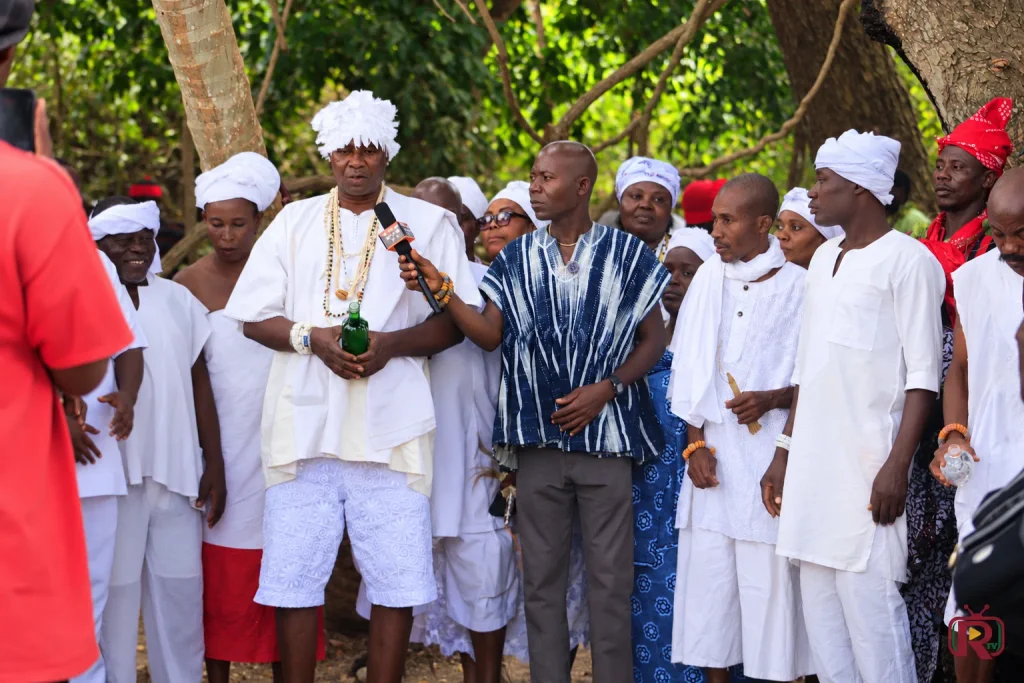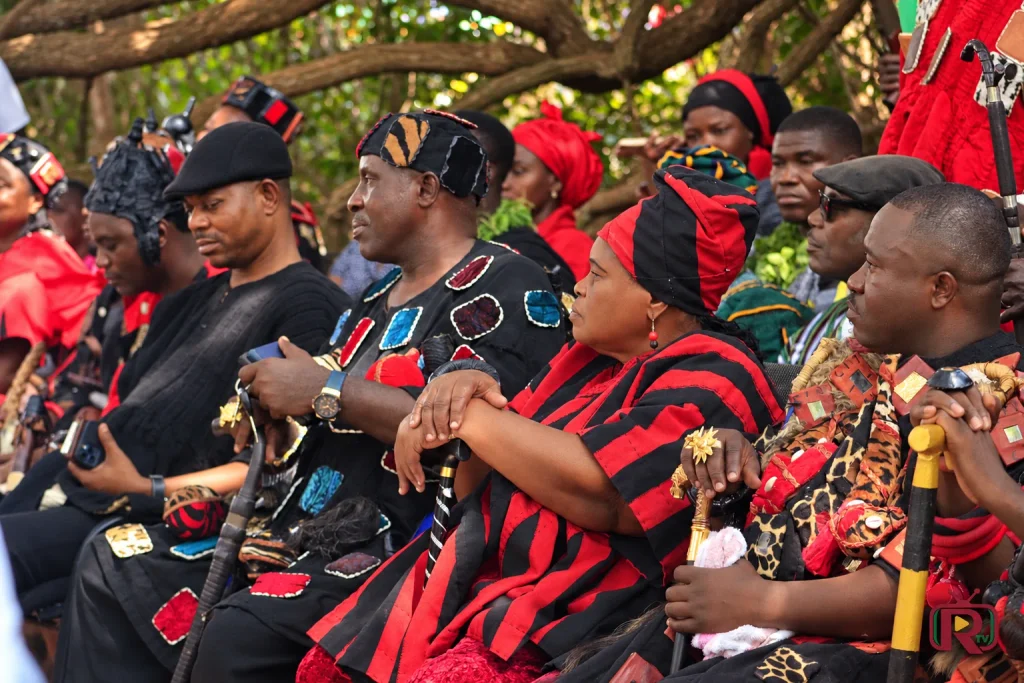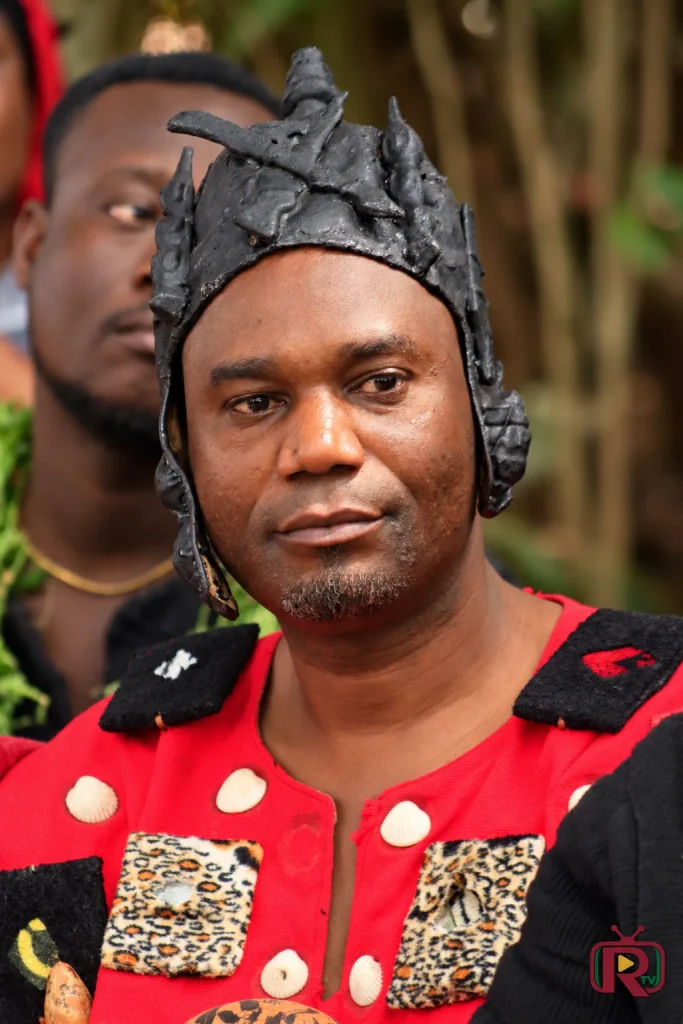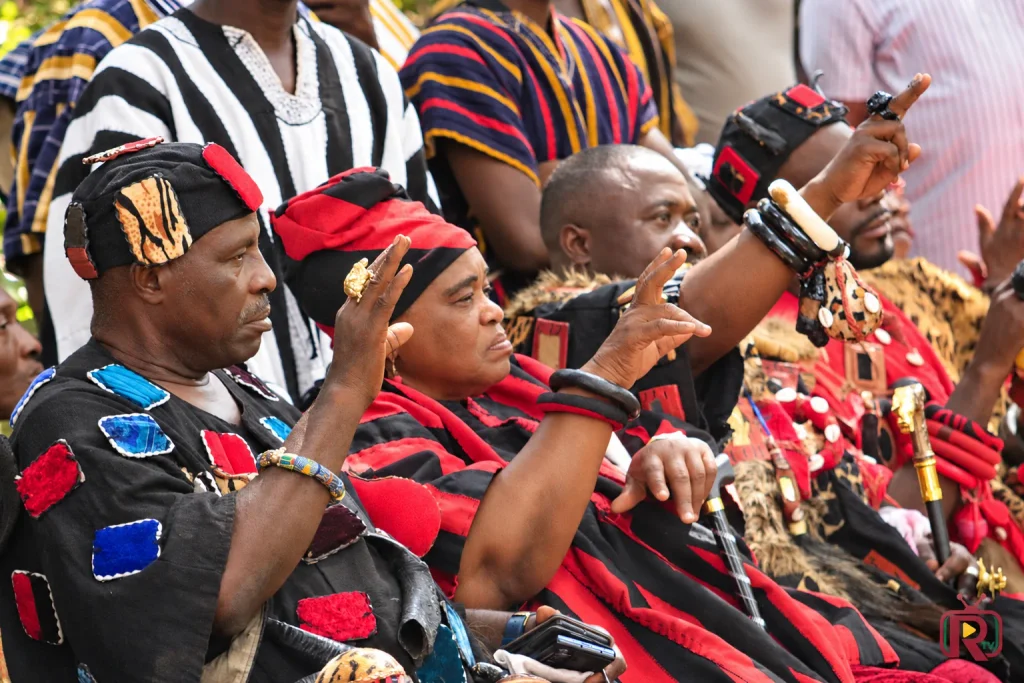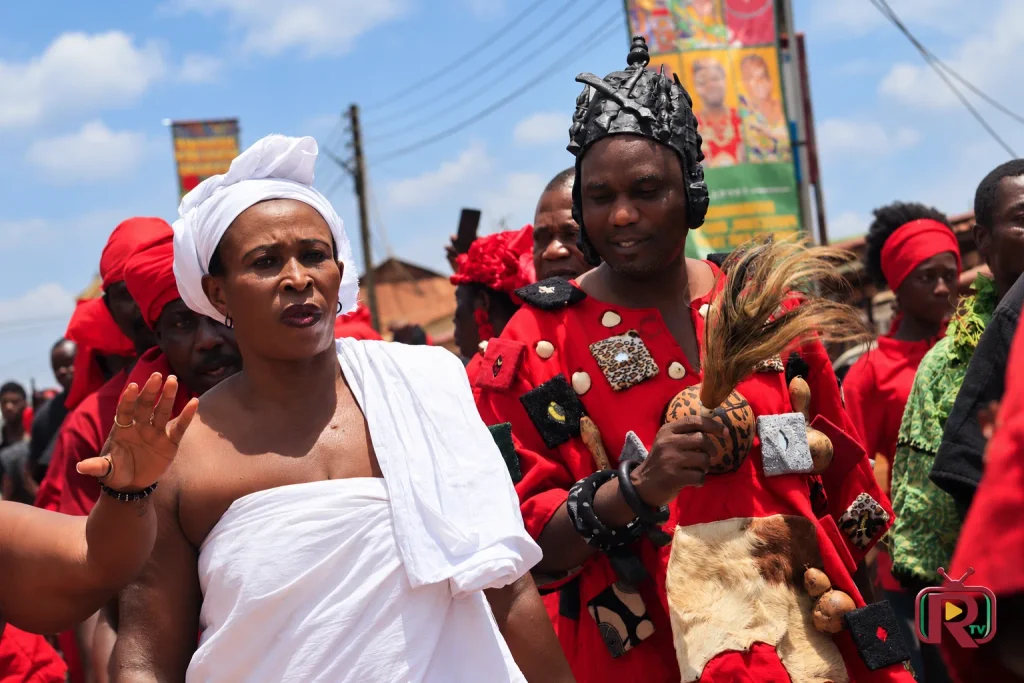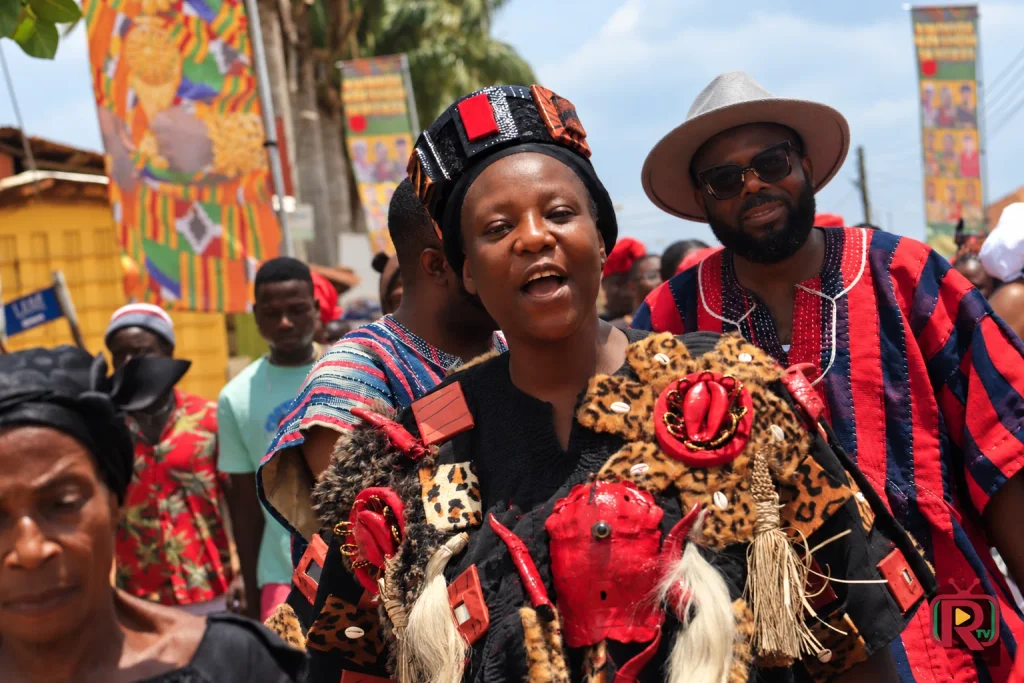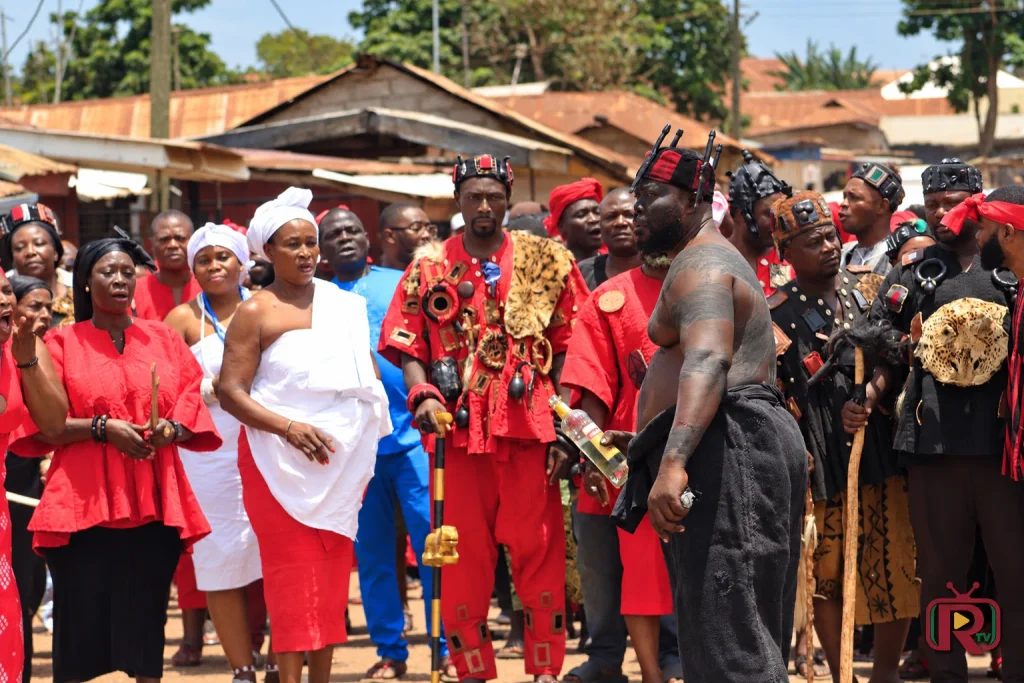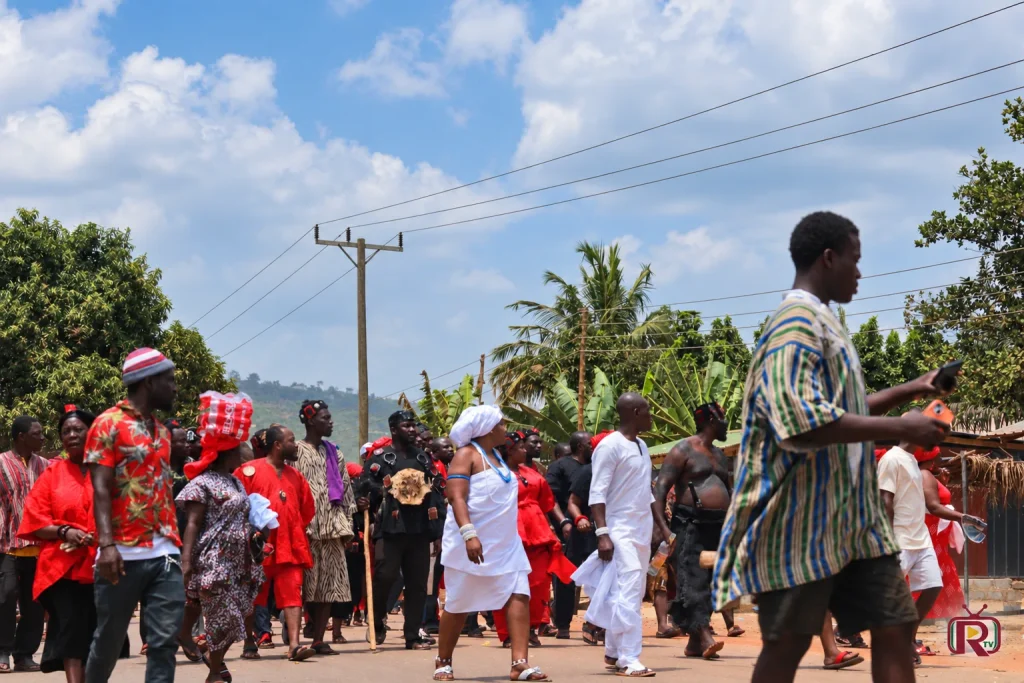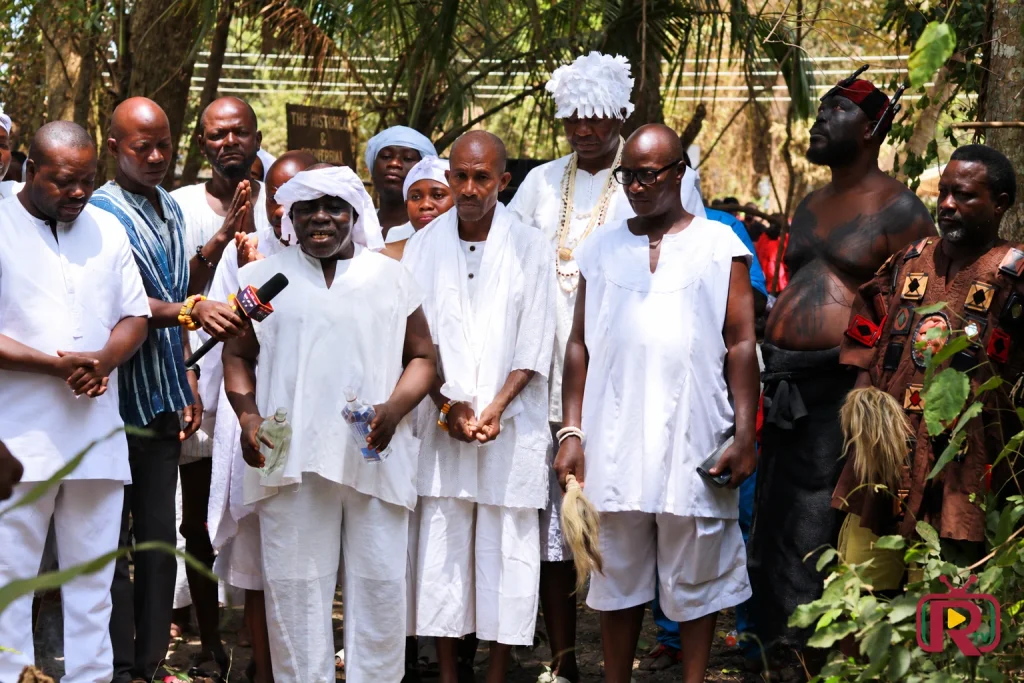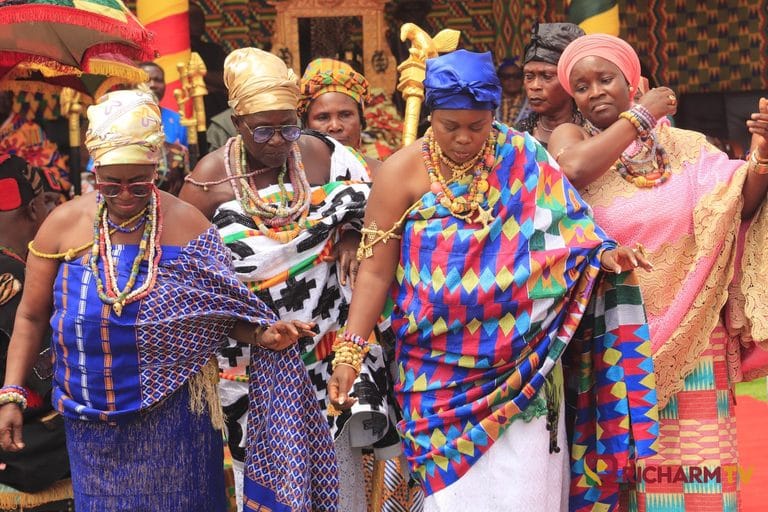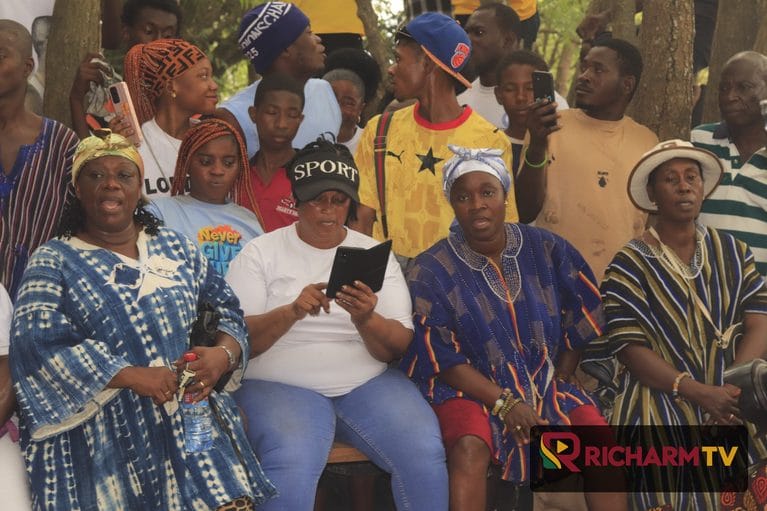

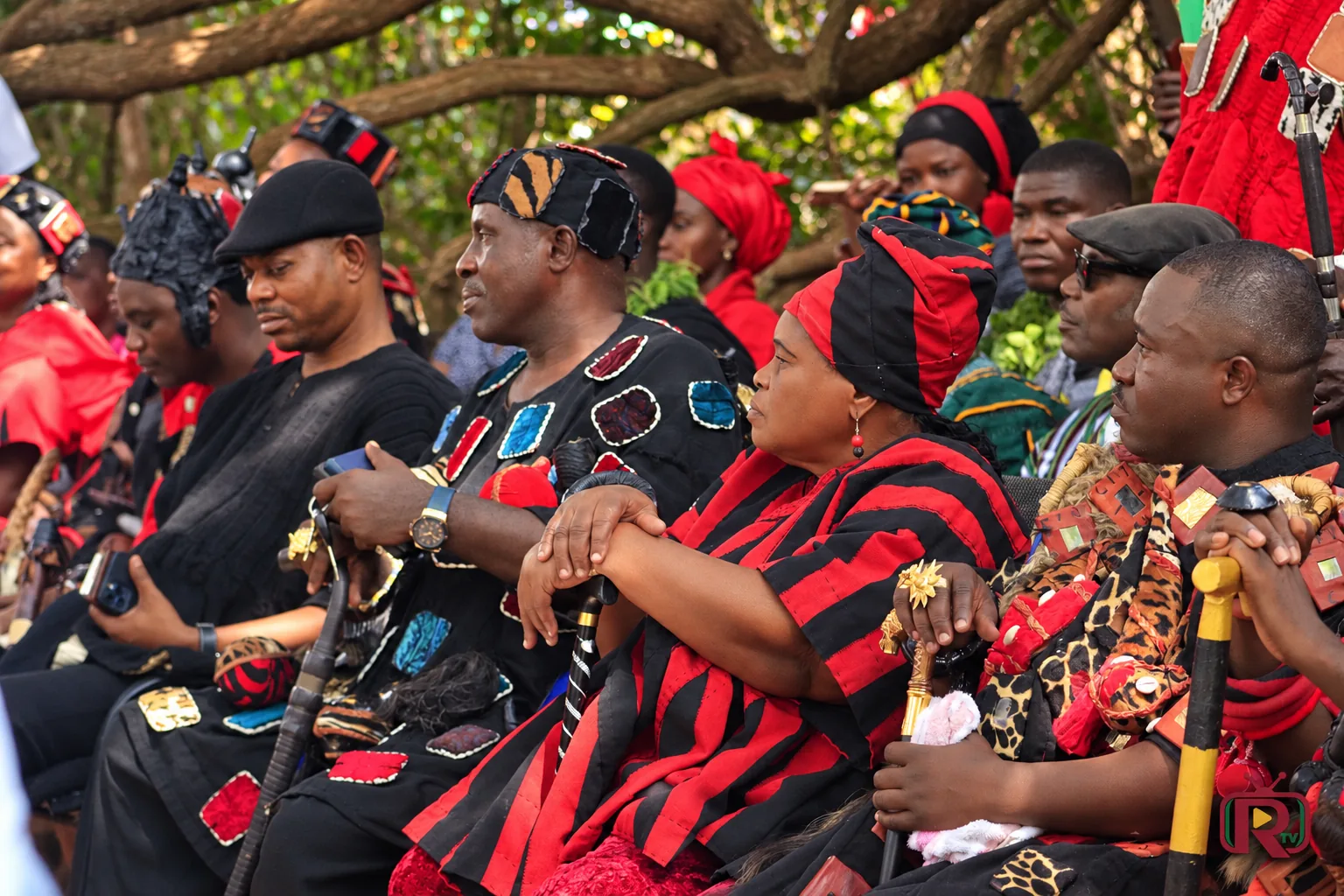
The chiefs and people of Dodowa marked the opening of the 2026 Ngmayem Festival with a visit to the sacred Dodowa Forest on Thursday, October 1, 2026, bringing together traditional leaders and residents for a procession and customary rites.
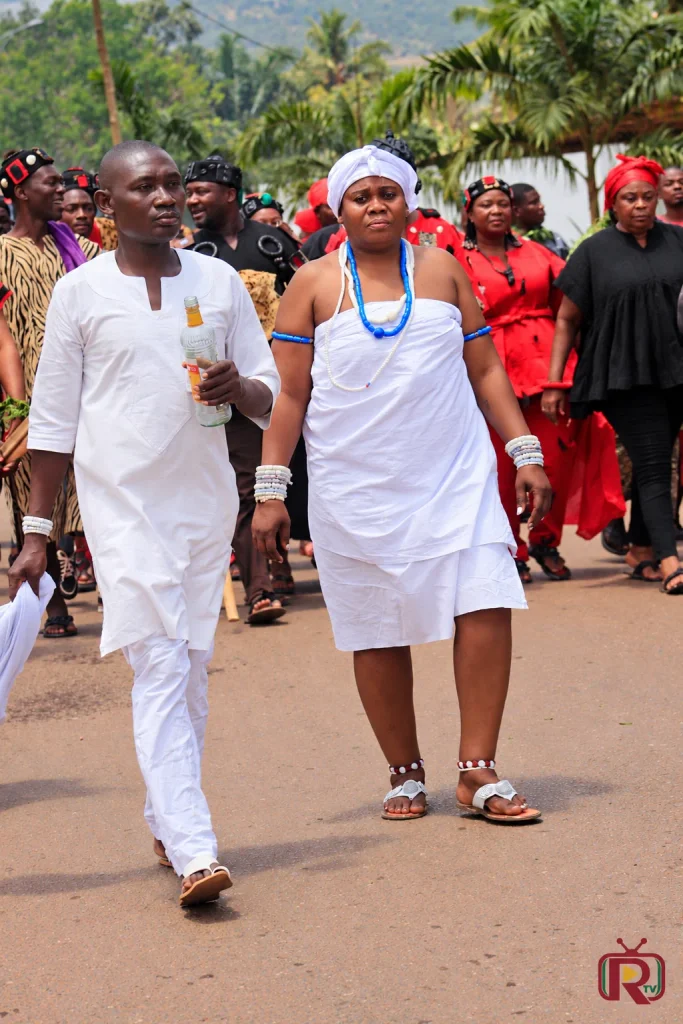
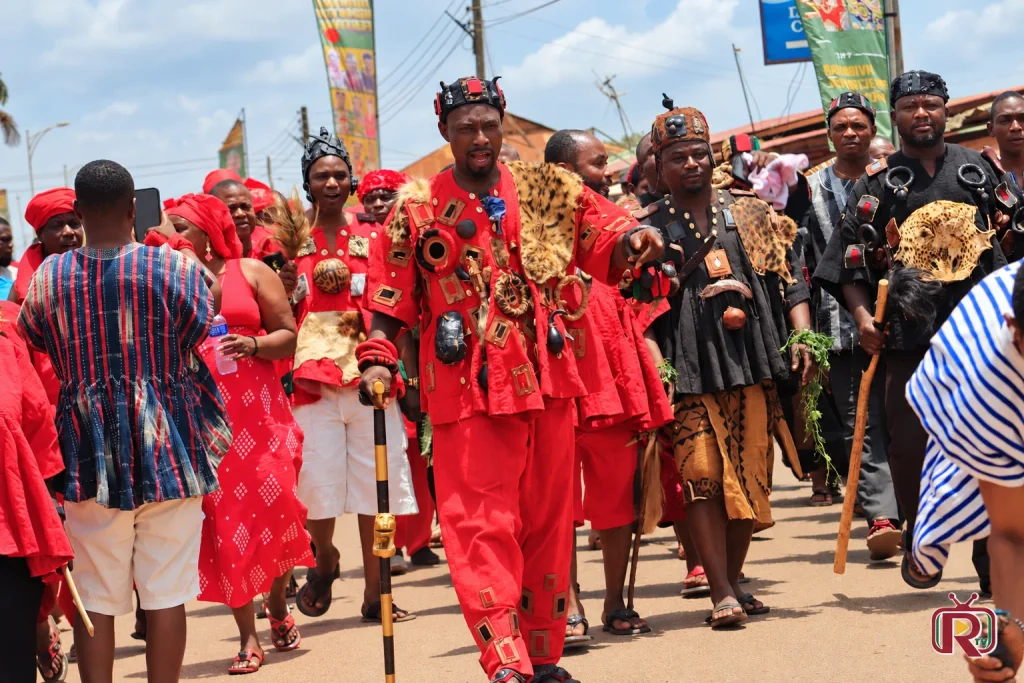
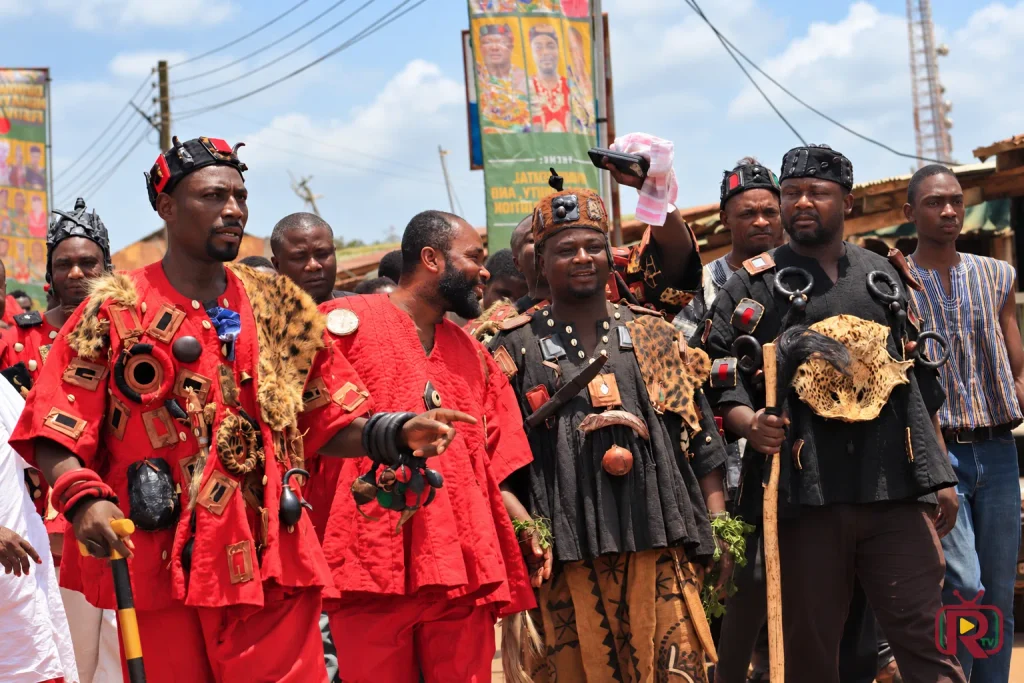
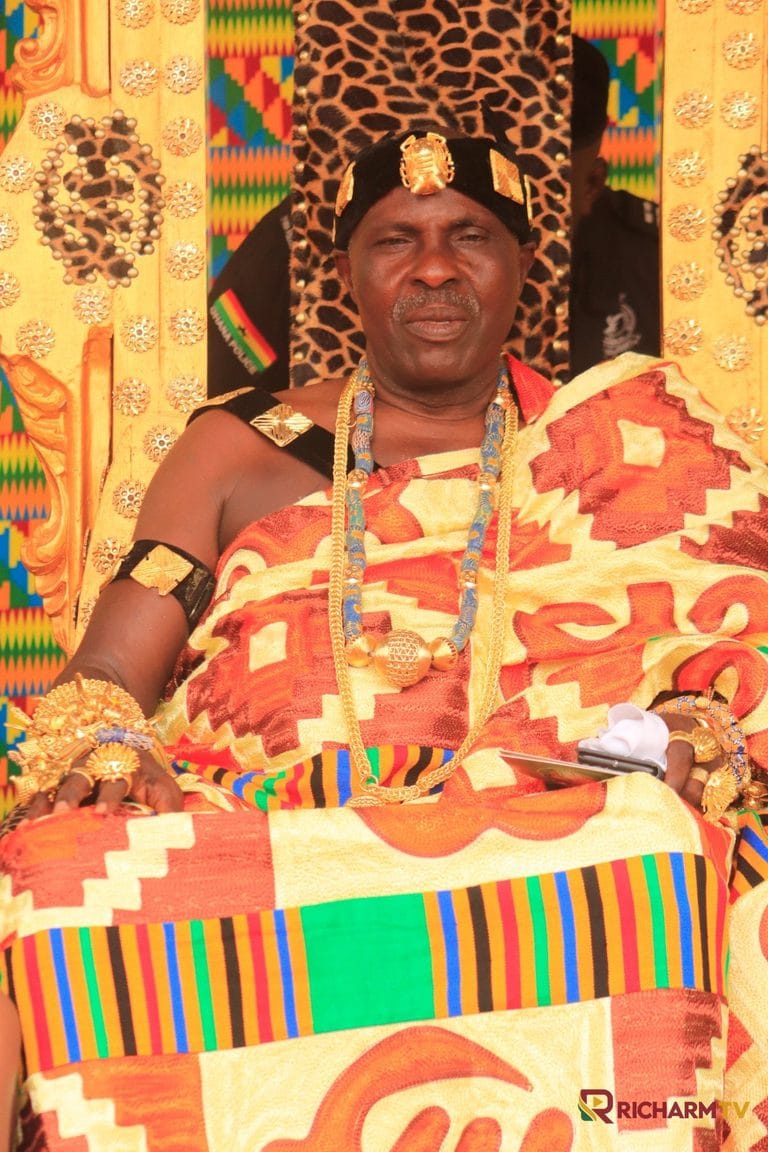
Led by the Chief of Dodowa, Nene Okukrubuor Tei Agyemang V, the gathering moved through the principal streets of the town before proceeding to the forest for the traditional observances that signalled the commencement of this year’s celebration.
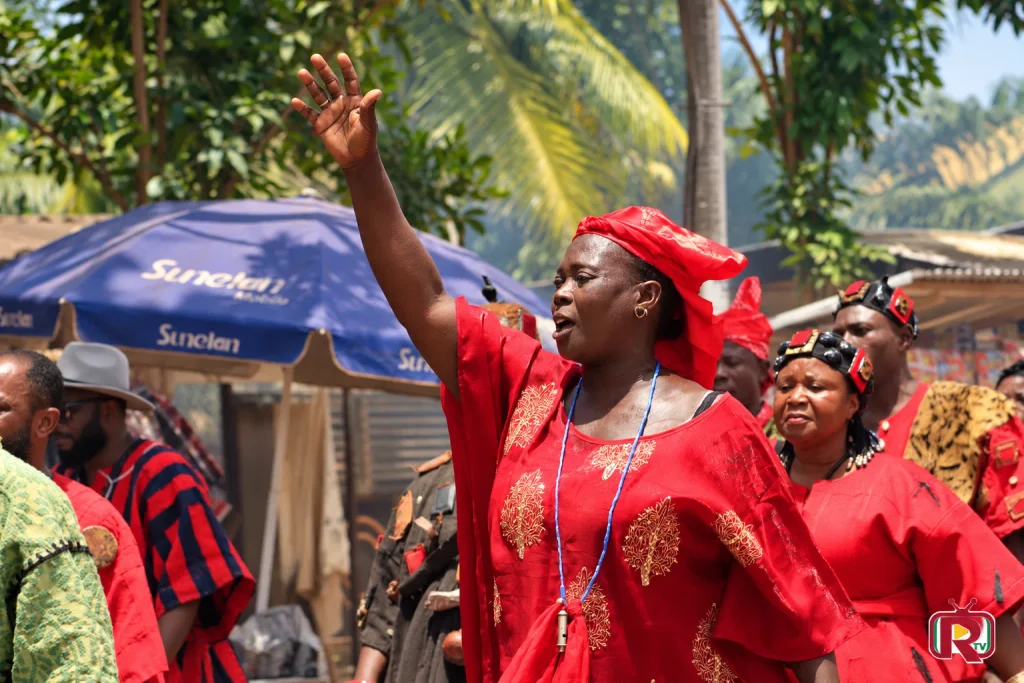
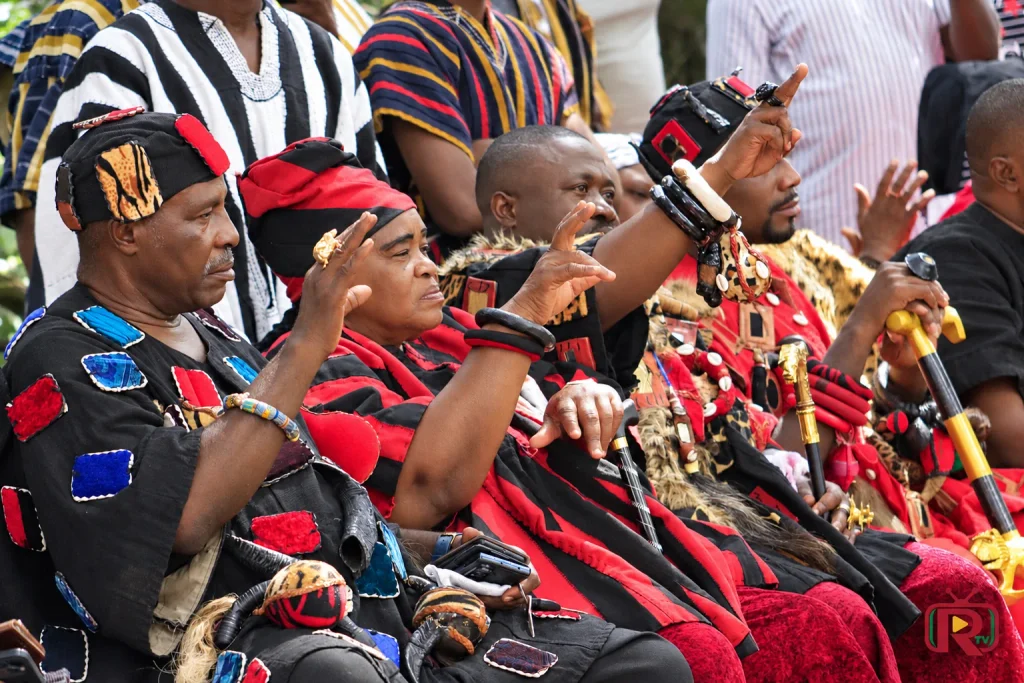
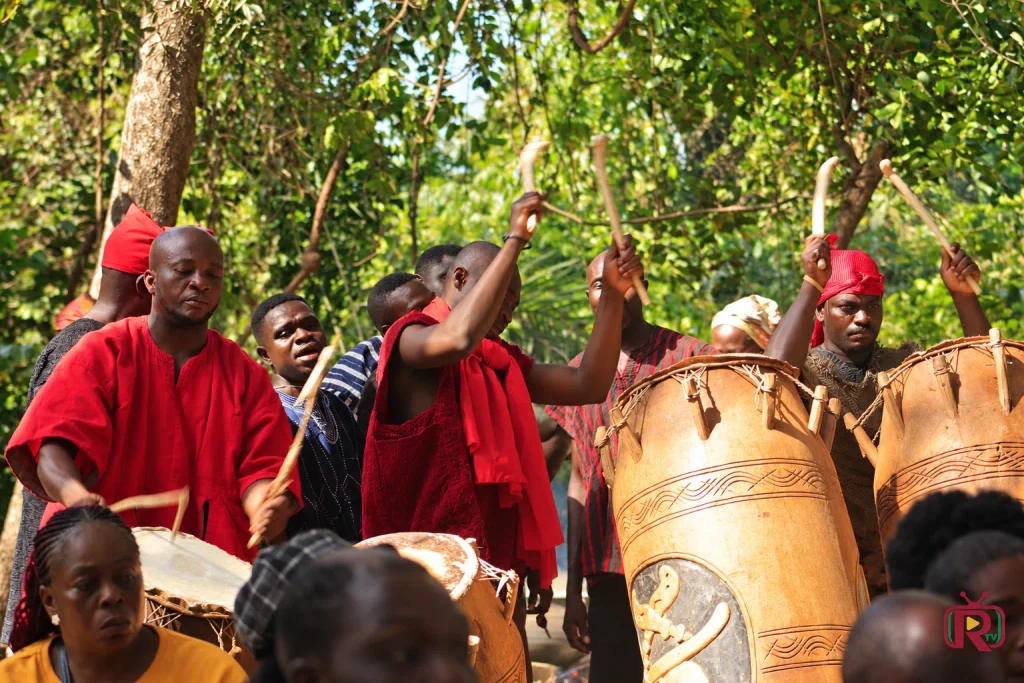
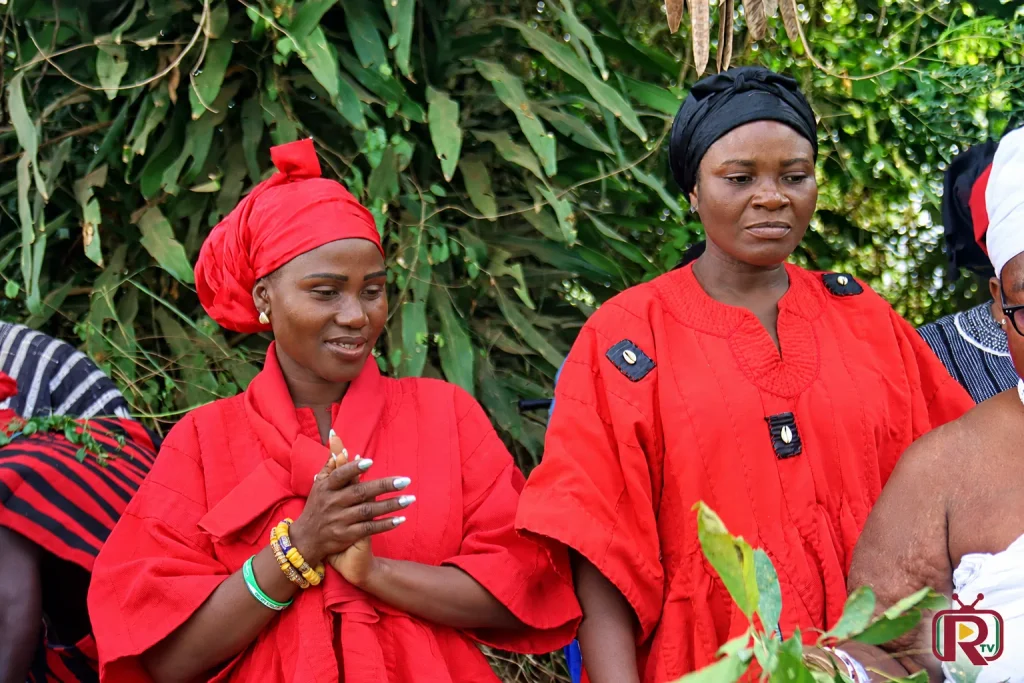
The procession featured the chief priest, queenmothers, elders and members of the community. Drumming, dancing and masquerade performances added colour and energy to the occasion, combining the solemnity of the customary observances with the excitement of the festival’s opening.
As the procession passed through the town, the gathering brought Dodowa’s traditional leadership and people together in a public celebration of their heritage. The movement from the principal streets to the sacred forest formed the central activity of the opening ceremony.
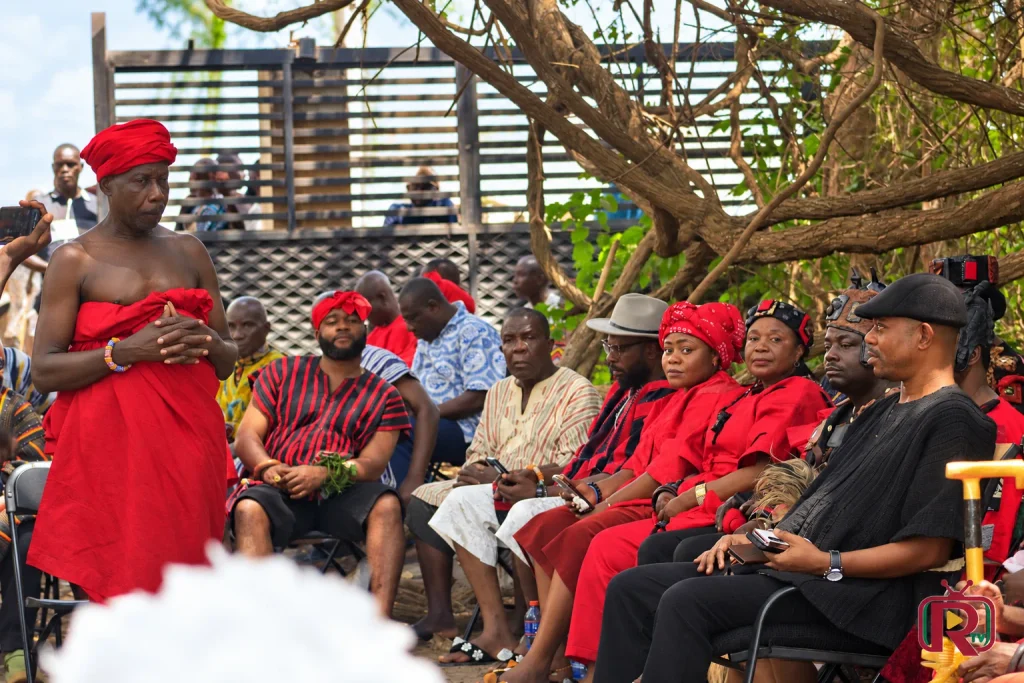
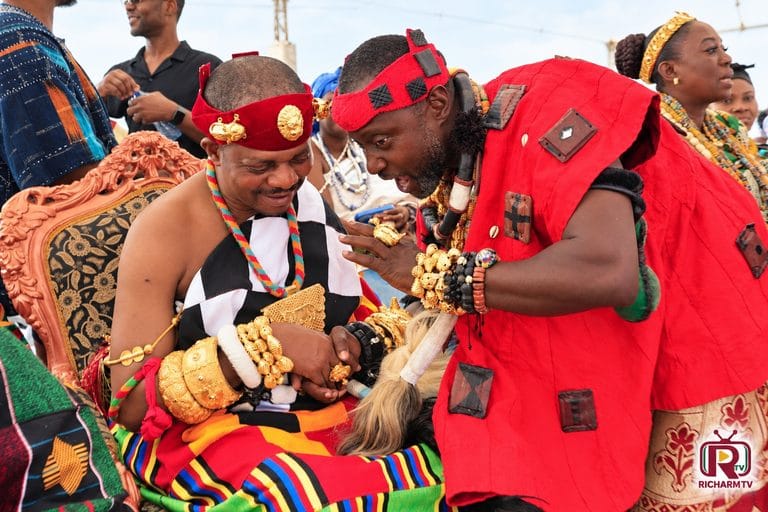
Also present were Nene Dr. Tei Djahene Kurabor and his queenmother, Nana Blemayo II, who joined in initiating the traditional rites to usher in the festival. Their participation, alongside the Chief of Dodowa and other traditional authorities, placed customary leadership at the centre of the occasion.
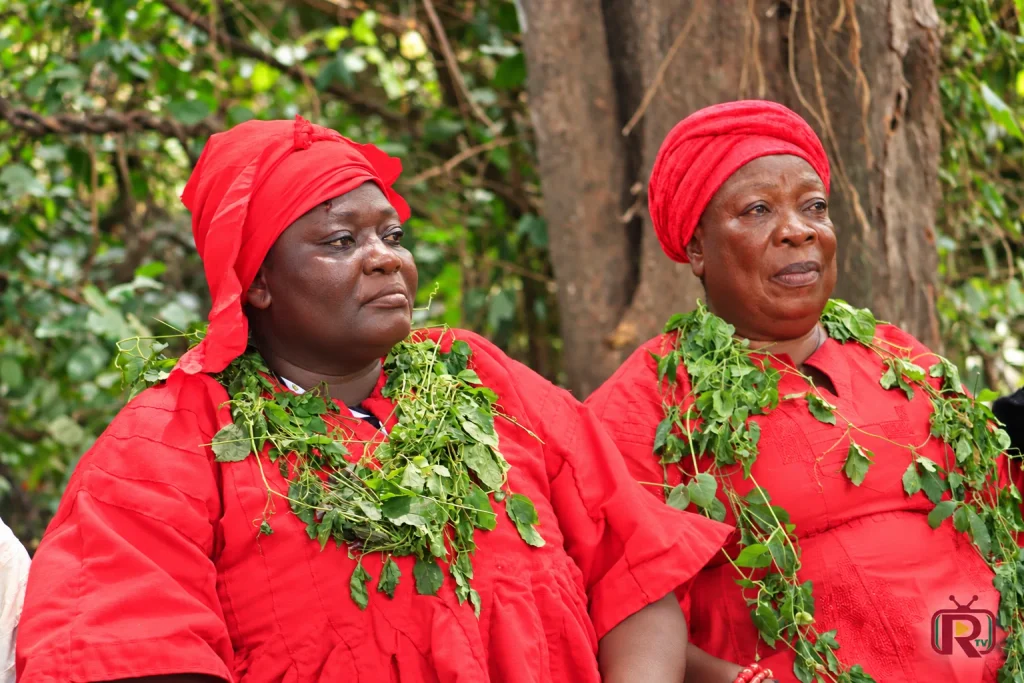
The visit to the sacred forest was the focal point of the day’s activities. While the street procession featured music, dance and masquerade displays, the observances at the forest marked the ceremonial beginning of the celebrations.
The occasion brought together two prominent elements of the festival’s opening: the performance of traditional rites and the communal celebration expressed through drumming and dancing. Together, they gave the commencement of the 2026 Ngmayem Festival both ceremonial significance and a festive atmosphere.
With the opening rites performed, the chiefs and people of Dodowa formally ushered in this year’s festival, beginning the celebrations with a shared expression of tradition and community identity.