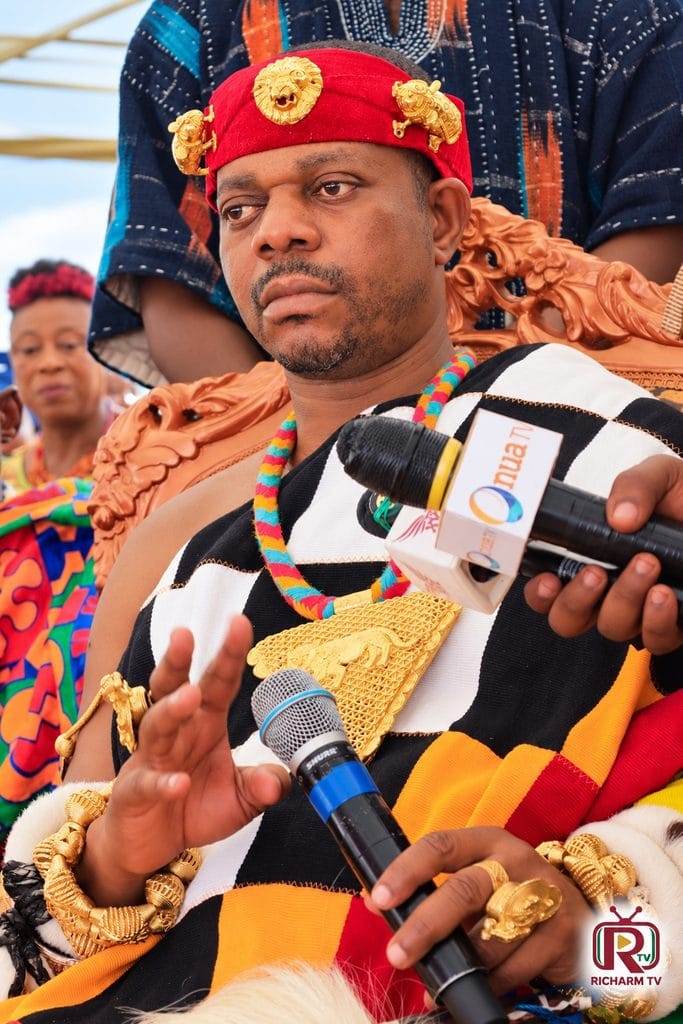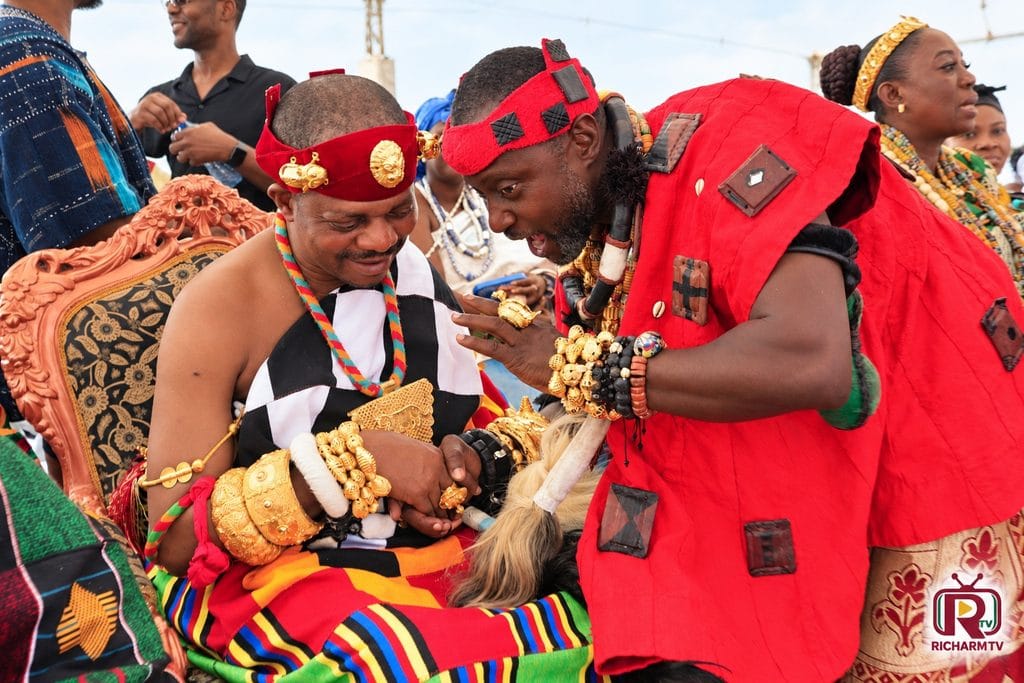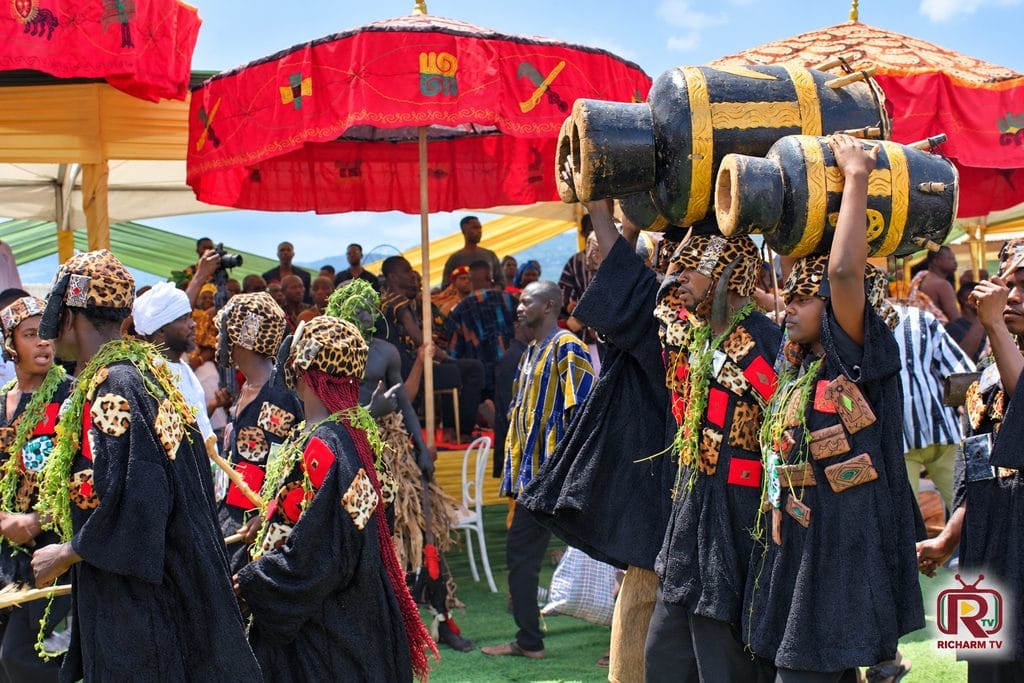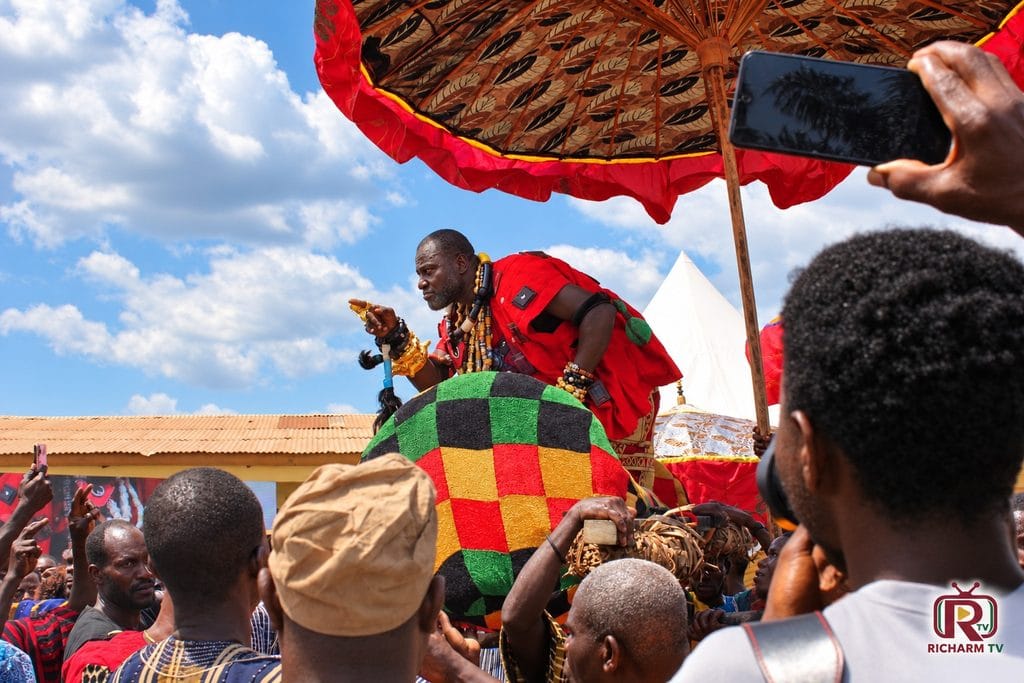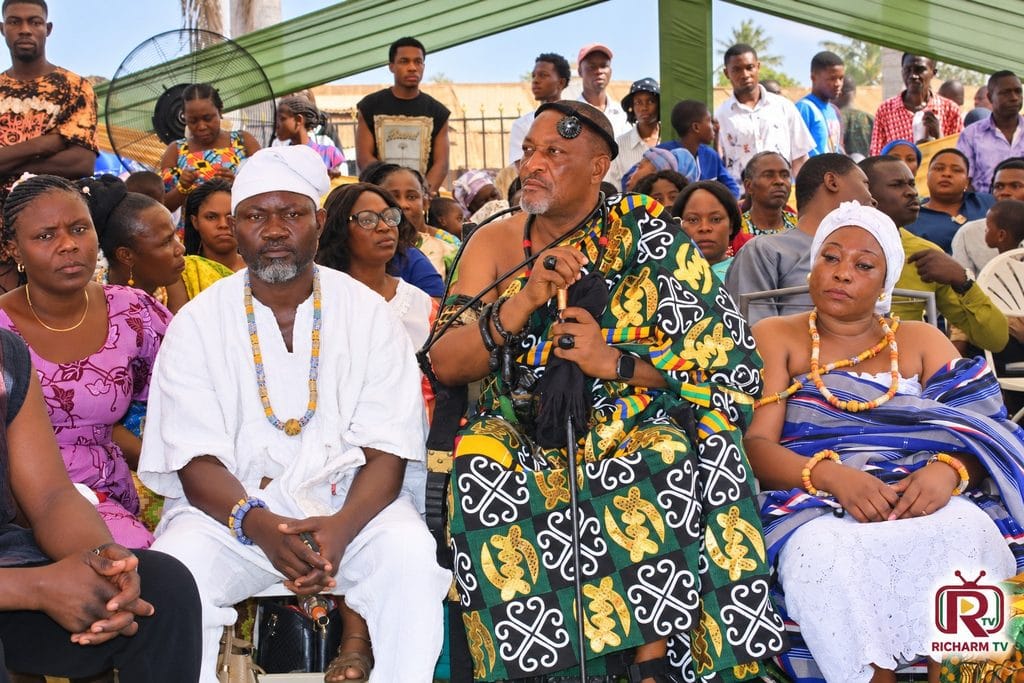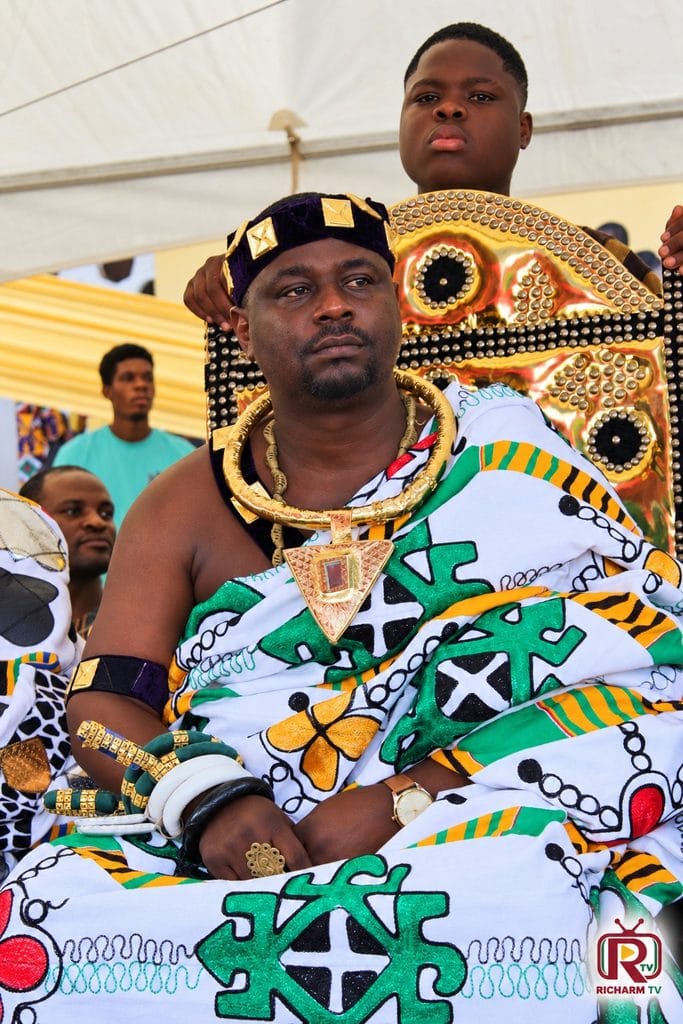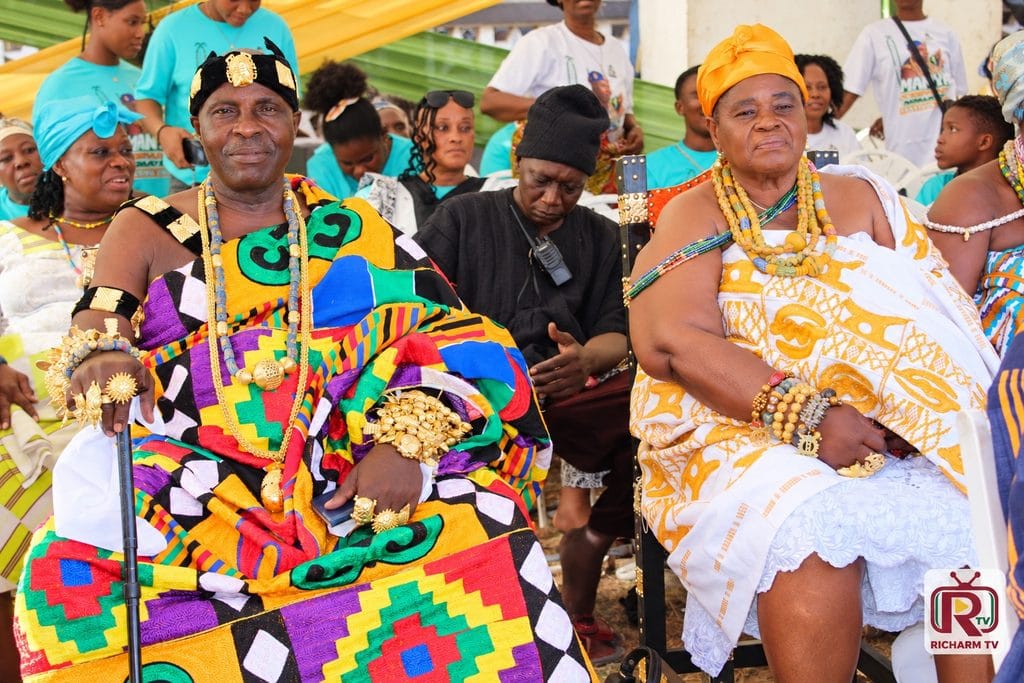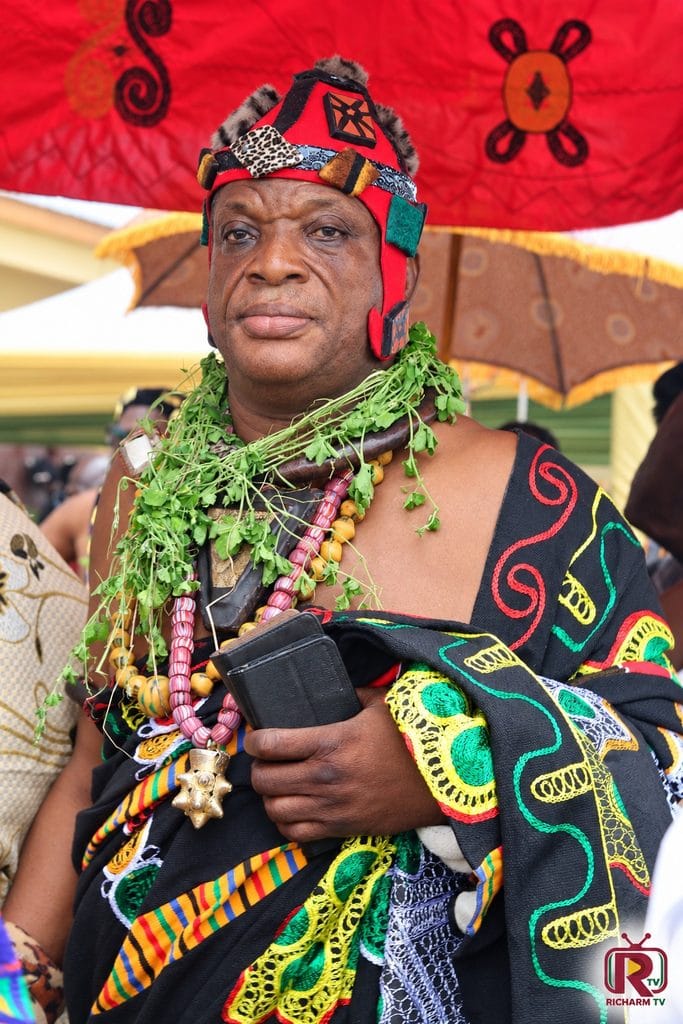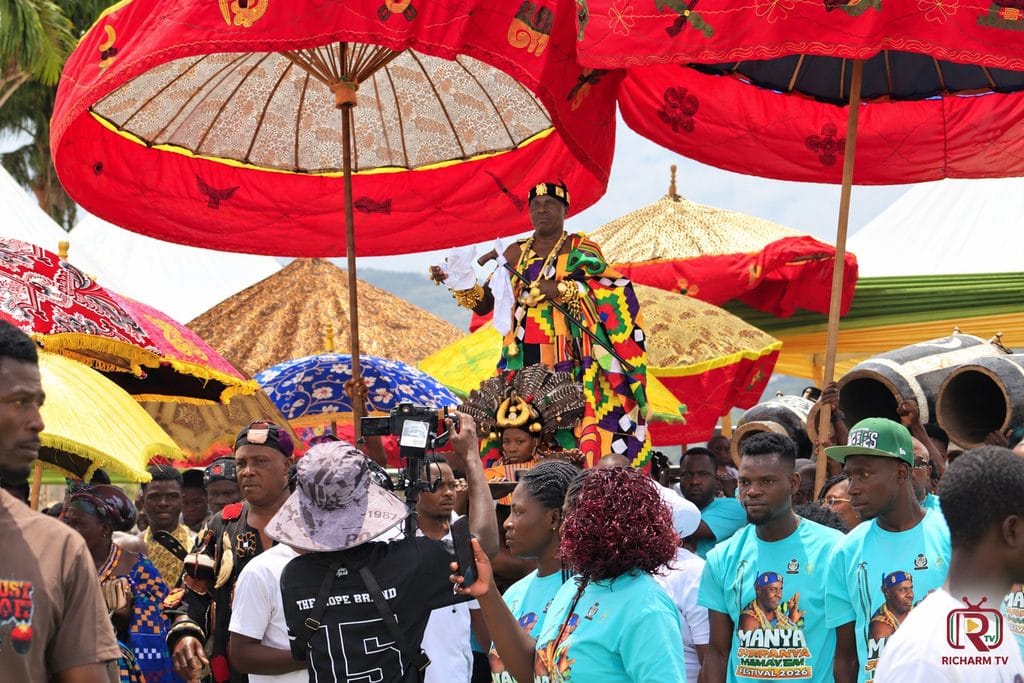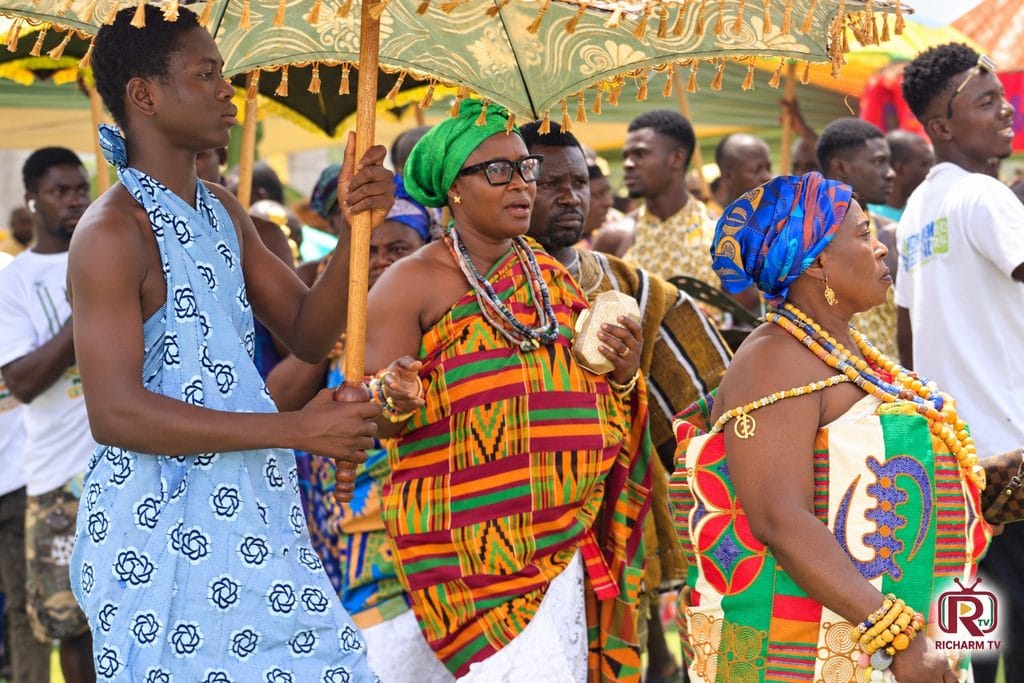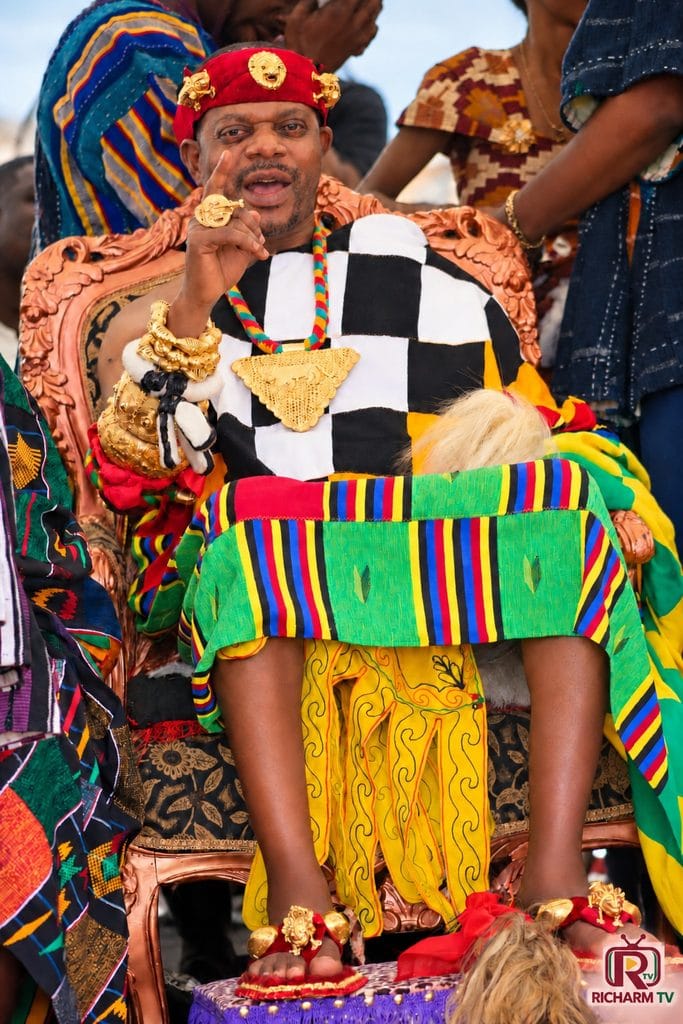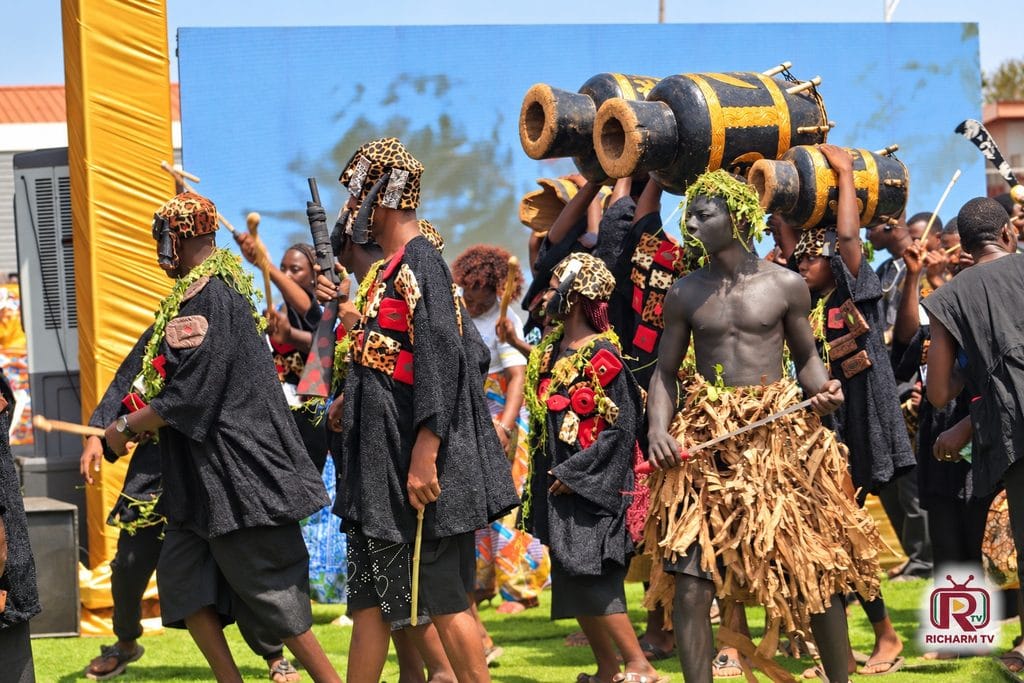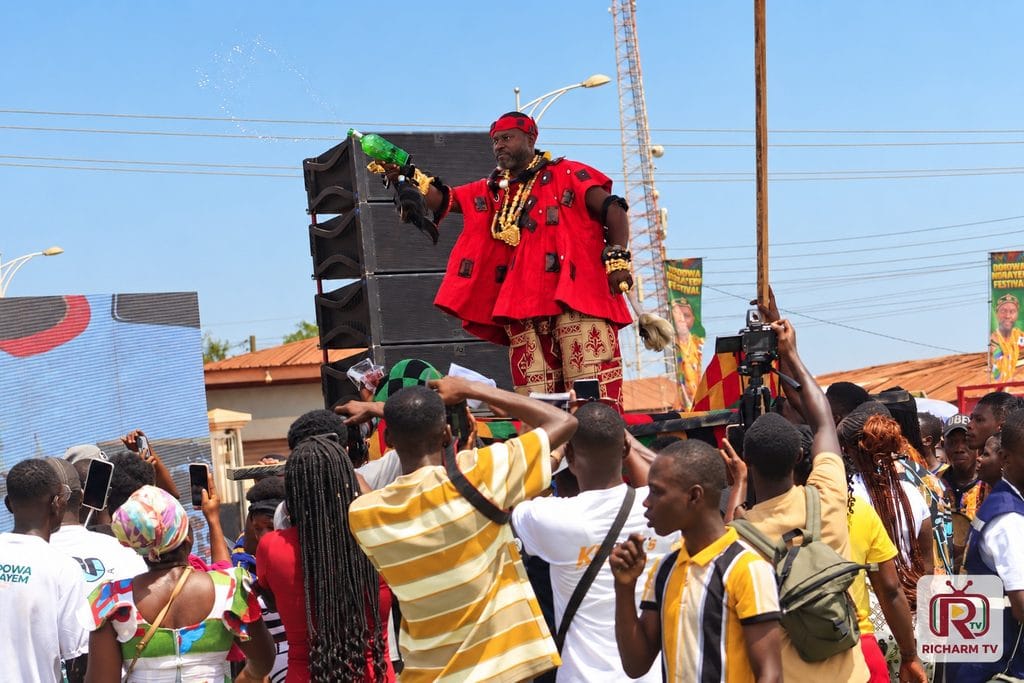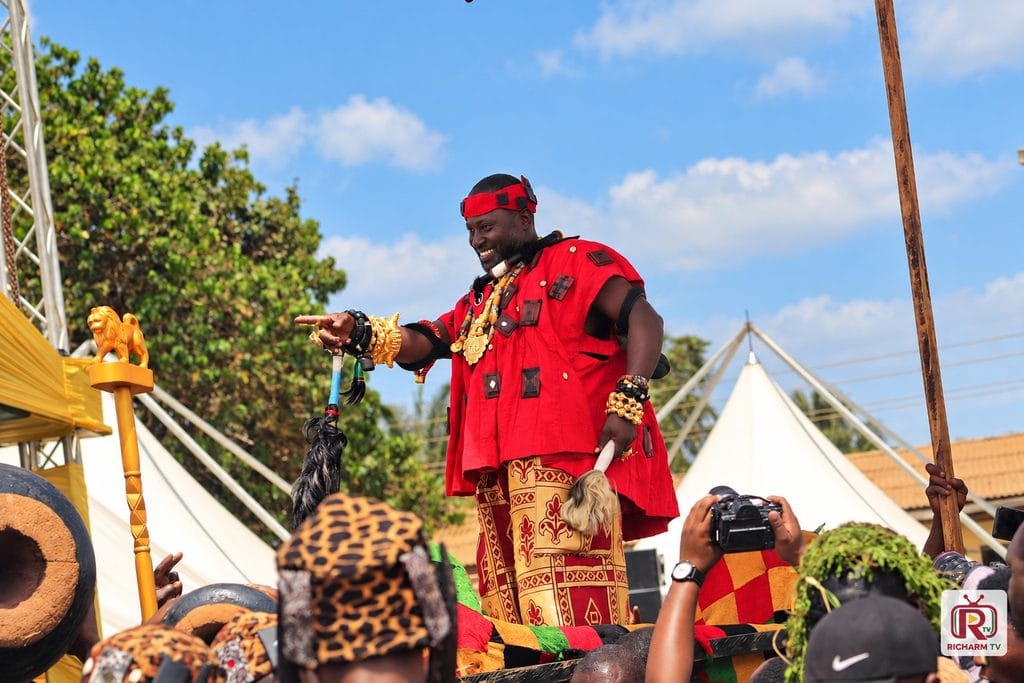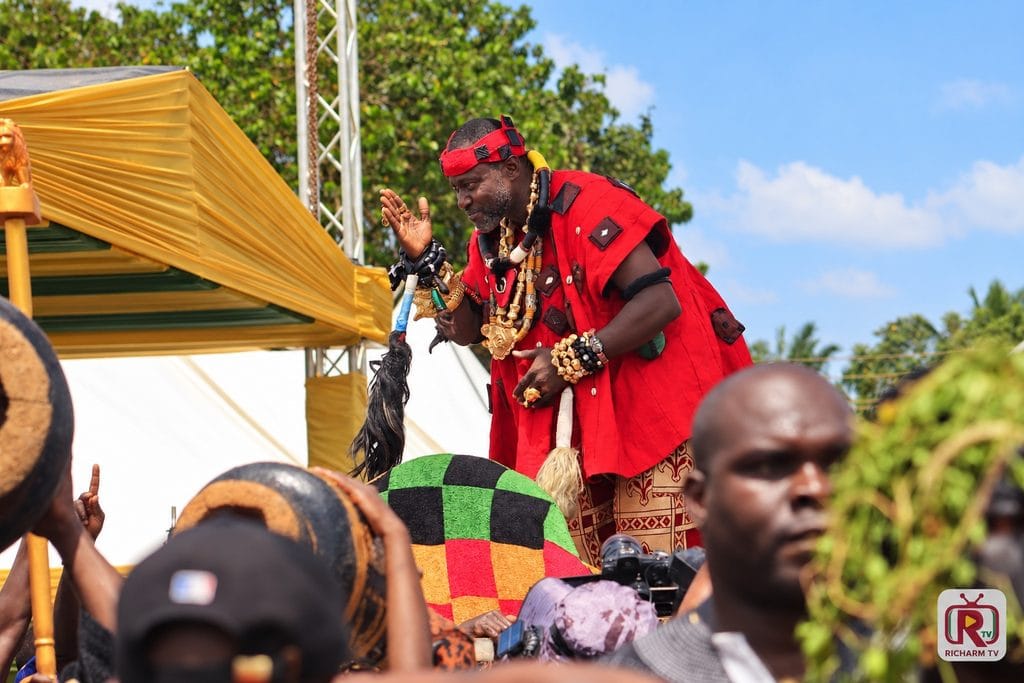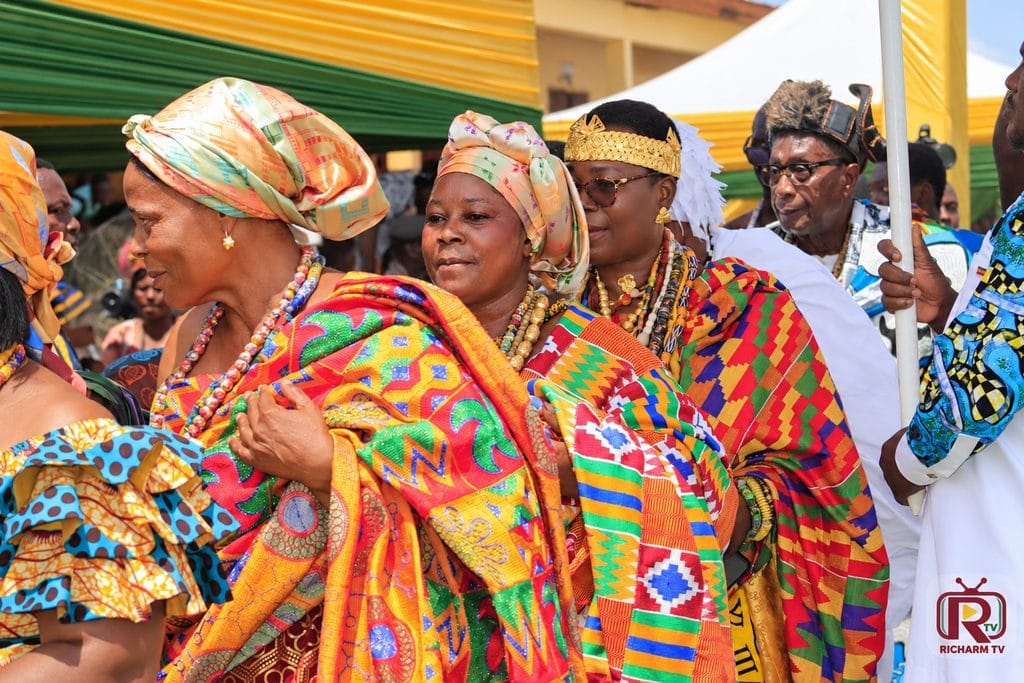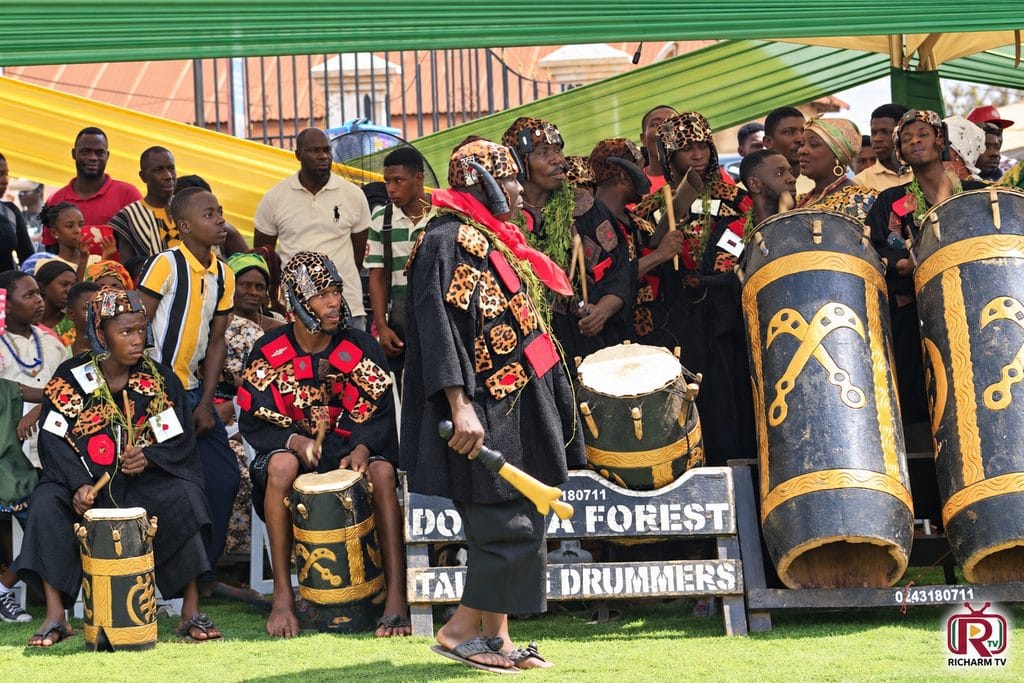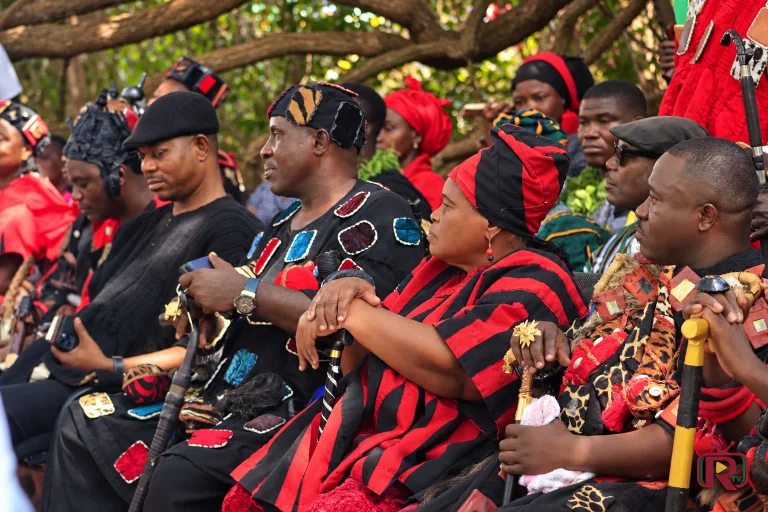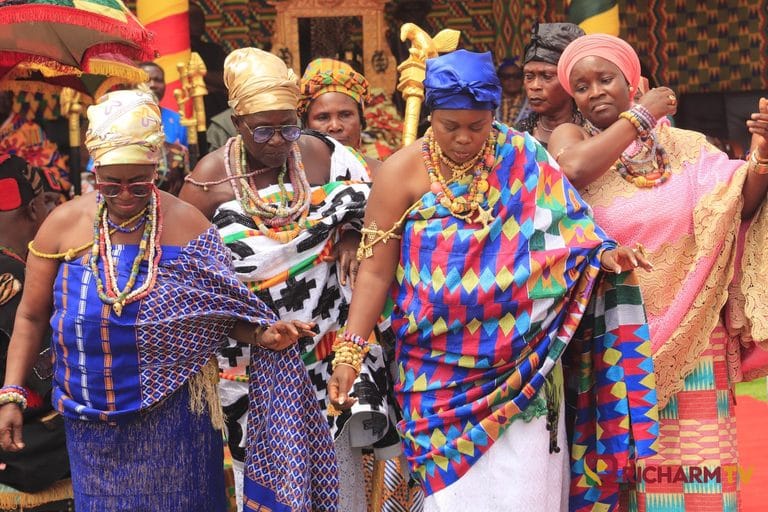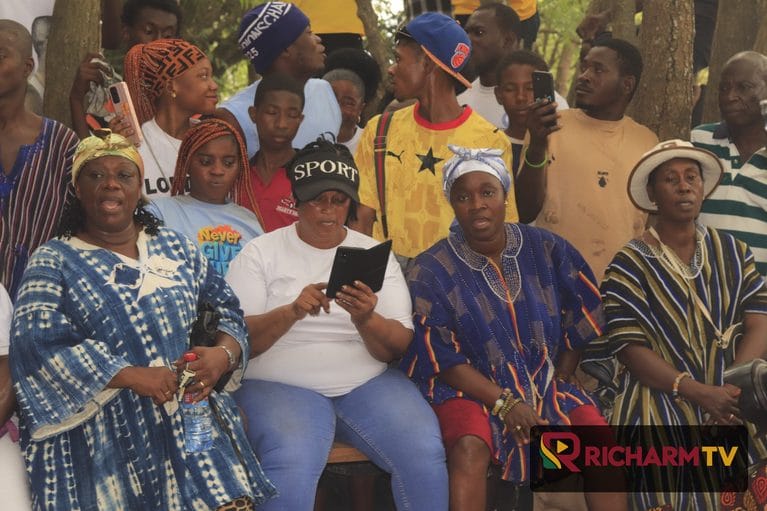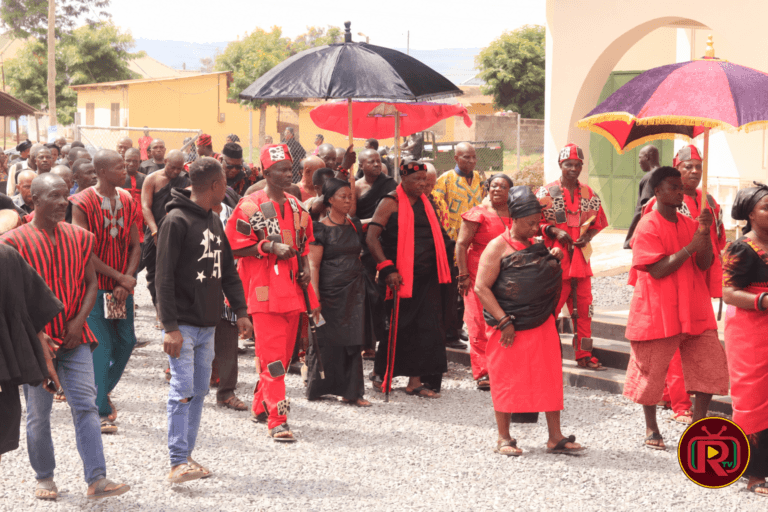
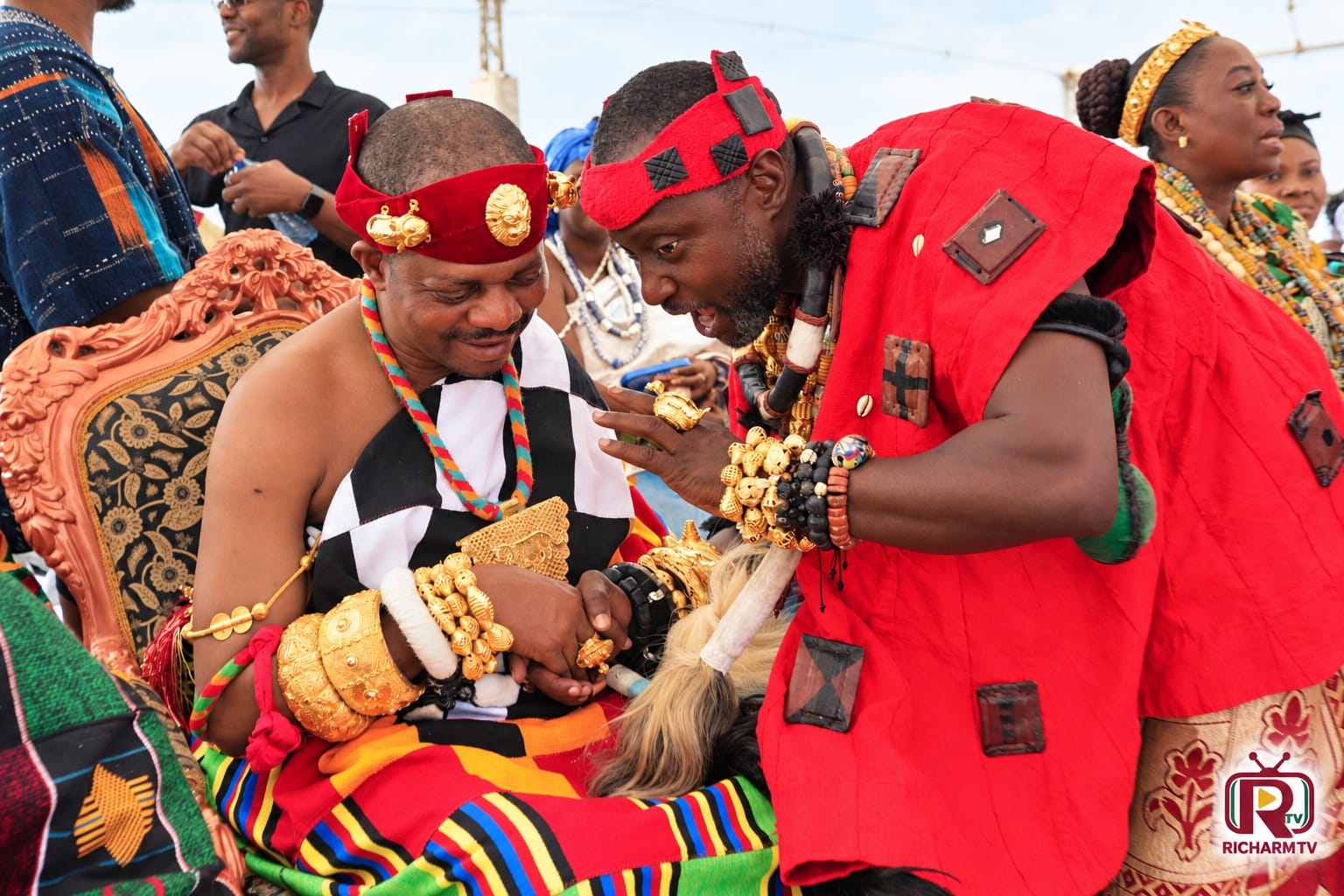
The chiefs and people of Dodowa have marked 200 years of the victory at the Katamanso War with a colourful grand durbar held on Saturday, October 3, as part of their 2026 Ngmayem Festival.
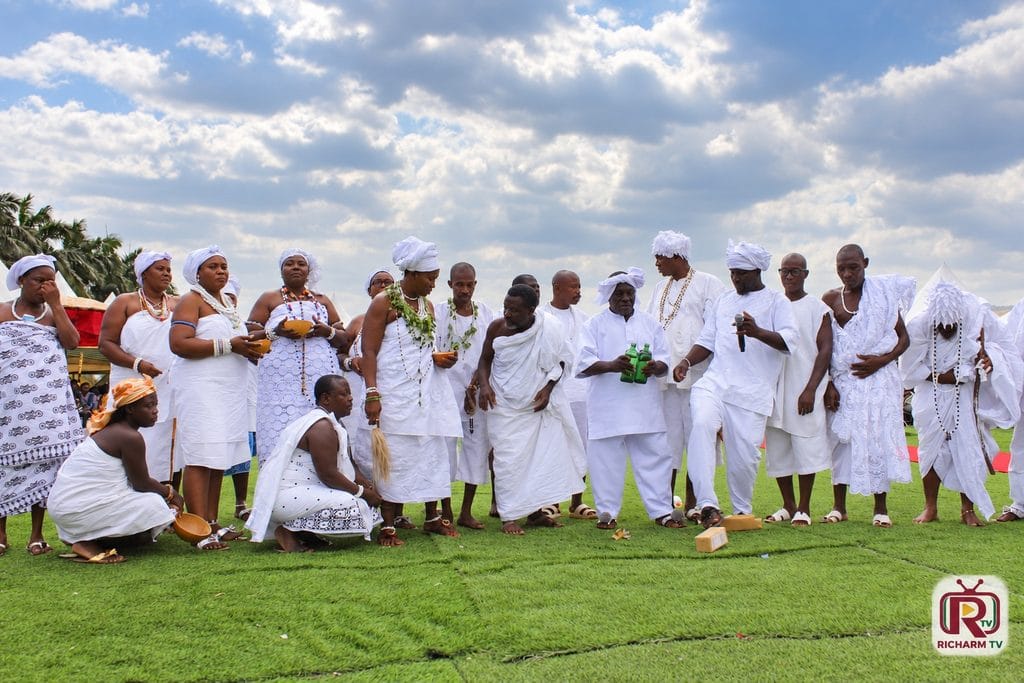
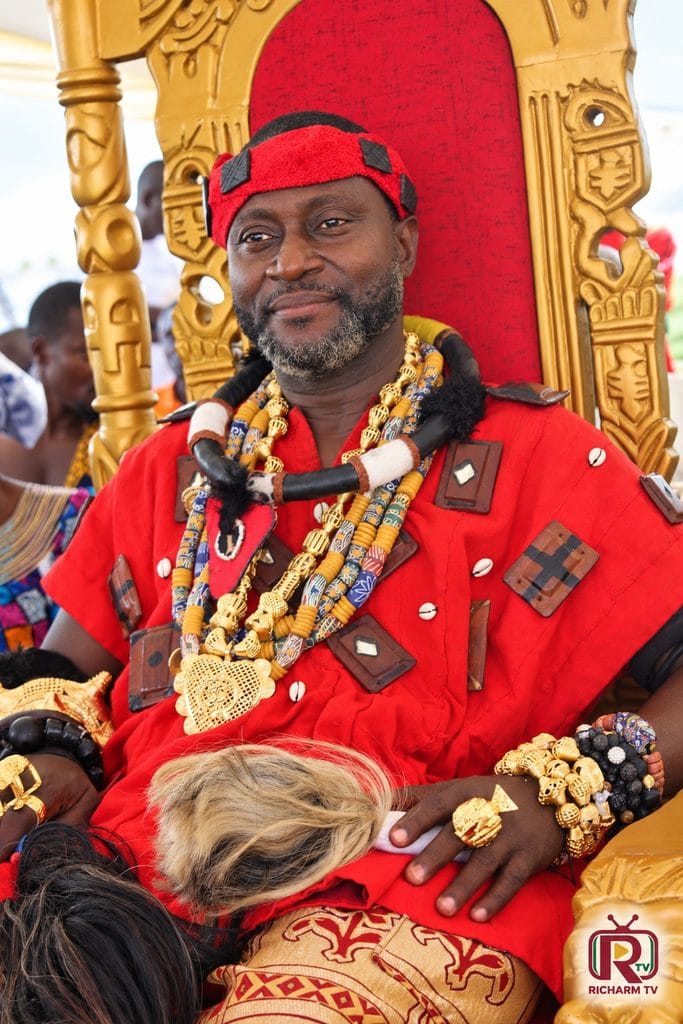
Drumming, dancing and chiefs riding in palanquins brought the rich culture of the Shai people into focus. The celebration in the Greater Accra Region combined traditional pageantry with messages on unity, historical accuracy and community development.
Delivering the keynote address, Nene Tei Kwesi Agyeman V, Traditional Ruler of Dodowa and President of the Shai Traditional Council, urged the people to remain united and cautioned against distorting historical facts. His appeal placed the accurate preservation of history at the centre of the bicentenary commemoration.
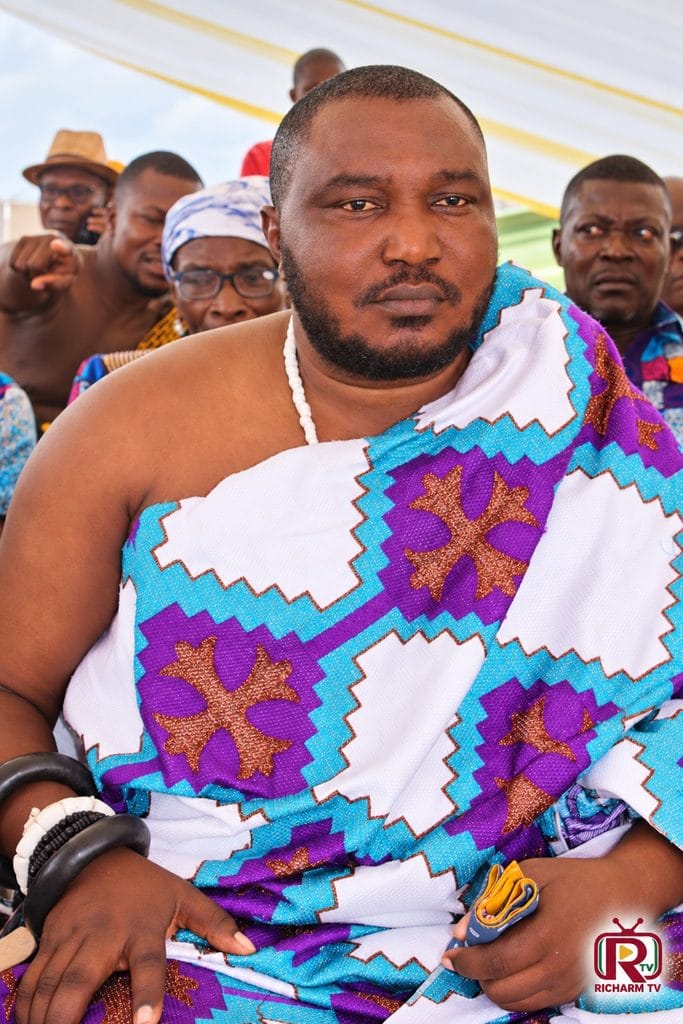
Among the traditional leaders present were His Royal Majesty Nene Atrokpa II and Nene Dr. Tei Djahene Korabo, Chief of Manya Jopanya and Senior Asafoatse of the Shai State.
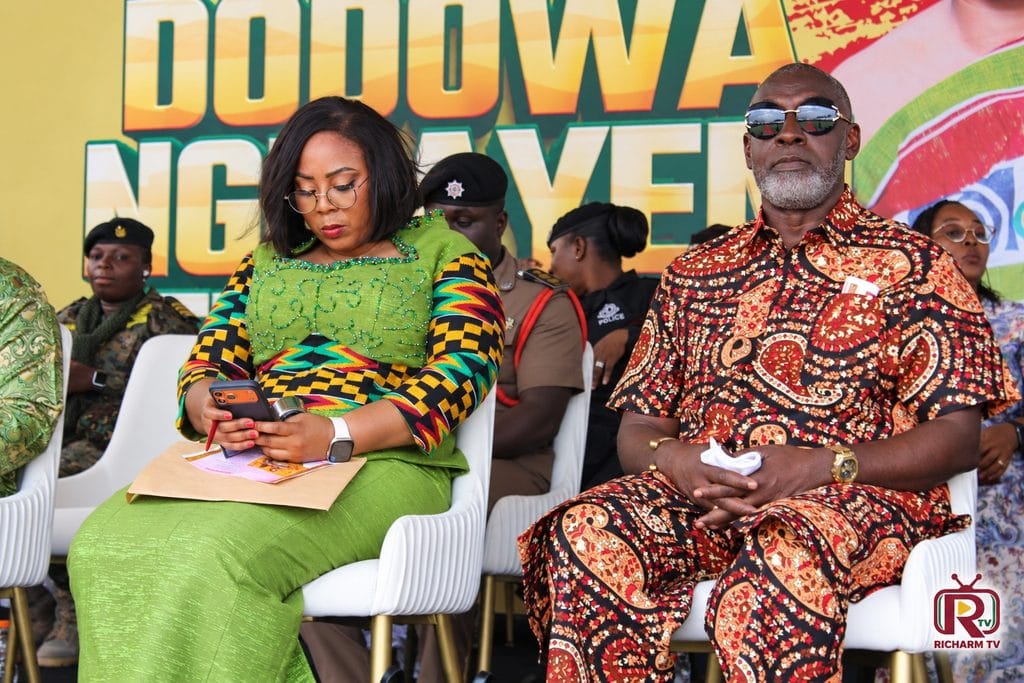
The Guest of Honour, Linda Ocloo, Greater Accra Regional Minister and Member of Parliament for Shai-Osudoku, highlighted developments in the constituency over the years, including educational infrastructure and hospitals.
She also outlined progress towards establishing a teacher training college in the constituency, saying the proposal had received approval.
On youth employment, Ms Ocloo highlighted efforts to create job opportunities and said she had helped approximately 200 young people gain recruitment into Ghana’s security services.
Her address brought education, healthcare and employment into the discussions, complementing the celebration’s emphasis on history and cultural heritage.
The grand durbar followed the festival’s opening on Thursday, October 1, when traditional leaders and residents joined a procession to the sacred Dodowa Forest for customary observances.
Rooted in the Shai people’s millet-harvest traditions, Ngmayem provides an occasion for thanksgiving, ancestral remembrance and community reunion. This year’s durbar connected those traditions with the remembrance of the Katamanso victory, expressed through cultural performances, traditional leadership and appeals for unity.